Bubble tea and boba are the same drink. The confusion stems from regional naming preferences, but whether you order bubble tea in Richmond or ask for boba in Downtown Vancouver, you’re getting that same sweet, chewy, tea-based beverage that’s taken the city by storm.
The distinction is purely linguistic. Taiwan gave birth to this drink in the 1980s, and as it spread across the globe, different communities latched onto different names. “Bubble tea” references the frothy bubbles created when the drink is shaken, while “boba” comes from the Taiwanese slang for the tapioca pearls themselves, which resemble small bubbles. In Vancouver, you’ll hear both terms used interchangeably, though boba has gained serious ground in recent years, especially among younger crowds who’ve embraced the shortened, snappier name.
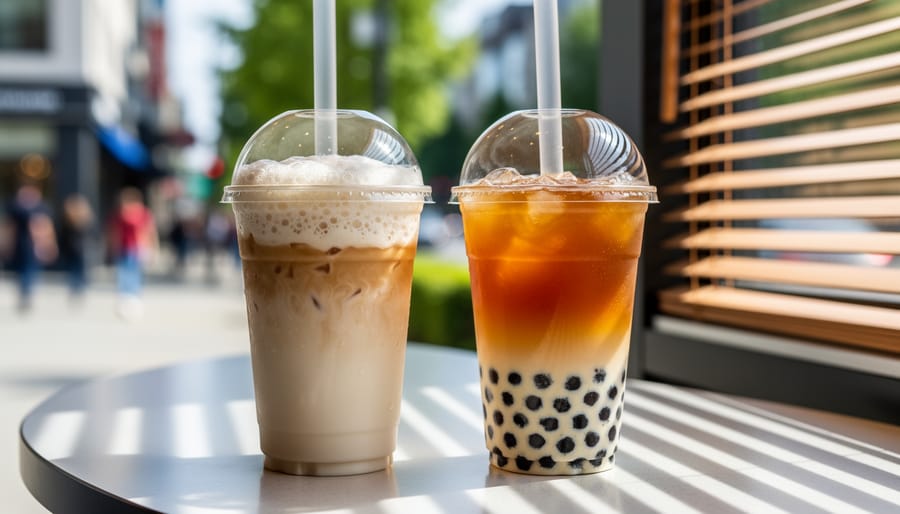
What actually defines this drink isn’t what you call it. It’s the combination of brewed tea (black, green, or oolong), milk or fruit flavors, ice, and those signature chewy tapioca pearls at the bottom. Vancouver’s bubble tea scene has exploded beyond the classic milk tea, offering everything from cheese foam toppings to fresh fruit infusions and even popping boba filled with juice.
As a city that celebrates diverse food cultures with the same enthusiasm we bring to our Italian trattorias and coffee bars, Vancouver has wholeheartedly adopted bubble tea culture. The drink’s versatility mirrors what we love about exploring different cuisines: there’s always something new to discover, whether it’s a shop perfecting traditional recipes or experimenting with bold flavor combinations.
The Name Game: Where ‘Bubble Tea’ and ‘Boba’ Come From
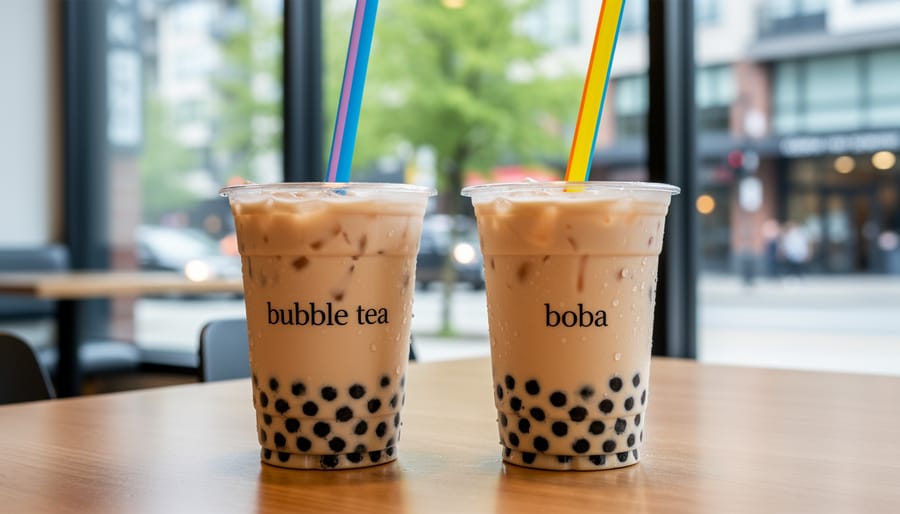
The drink that’s captivated Vancouver started in Taiwan during the 1980s, where tea shop owners experimented with adding tapioca pearls to sweetened iced tea. The term “bubble tea” actually comes from the frothy bubbles created when the tea is shaken, not from the pearls themselves. Two tea shops in Taiwan claim to have invented the drink around 1986, and while they dispute who came first, both agree the name referenced those signature bubbles floating at the top of each cup.
So where does “boba” fit into this story? The word comes from Taiwanese slang for the large tapioca pearls that give the drink its signature chewiness. In Mandarin, the pearls were called “zhenzhu” (珍珠), meaning pearl, but Taiwanese speakers nicknamed them “boba” (波霸), a playful term borrowed from Hong Kong cinema slang. When Taiwanese immigrants brought the drink to California in the 1990s, particularly to areas with established Taiwanese and Chinese communities, “boba” caught on as the go-to name.
The West Coast became boba territory. Los Angeles, San Francisco, and eventually Vancouver saw waves of tea shops open in neighborhoods with significant Asian populations. These communities naturally used “boba” because it connected directly to the Taiwanese roots of the drink and the pearl-focused experience. Meanwhile, other regions that encountered the drink through different cultural channels or later marketing trends stuck with “bubble tea.”
Vancouver’s food scene reflects the city’s remarkable diversity, with strong ties to Taiwan, Hong Kong, and broader Asian communities alongside influences from everywhere else. Richmond, with its concentrated Taiwanese and Chinese population, became an early hub where “boba” dominated conversations. But as the drink spread across Metro Vancouver, both terms traveled together. Today you’ll hear a teenager in Kitsilano say they’re “getting boba,” while their parent calls it “bubble tea,” and the shop they visit might use either name on its sign. The city absorbed both terms because Vancouver’s multicultural character doesn’t demand you pick sides in a naming debate that was never really a debate to begin with.
How Vancouverites Use Both Terms (And Why It Doesn’t Matter)
Walk into any Vancouver neighborhood and you’ll hear both terms used within minutes of each other, sometimes by the same person. One friend texts “want to grab boba?” while another asks “bubble tea run?” and everyone knows exactly what’s happening. This linguistic flexibility reflects Vancouver’s multicultural DNA, where food terms from different cultures blend into everyday conversation without anyone batting an eye.
Richmond’s dense concentration of bubble tea shops tends to lean slightly toward “boba,” particularly along No. 3 Road where Asian-influenced branding dominates. Cross into Kitsilano or Commercial Drive, and you’ll hear “bubble tea” more frequently, though both work perfectly fine. Downtown shops have caught onto this pattern, many use both terms in their signage and menus, hedging their bets to capture everyone from tourists to longtime residents.
Generational splits exist too, but they’re subtle. Younger Vancouverites who grew up watching California-based influencers often default to “boba,” while those who discovered the drink in the early 2000s might stick with “bubble tea.” Walk through UBC campus and “boba break” dominates student slang, yet their parents comfortably order “bubble tea” at the same shops.
Local shop owners have learned to embrace this duality. Tiger Sugar uses “boba” in its branding. The Alley calls itself a “bubble tea” destination. Coco Fresh Tea hedges with “fresh tea” and lets customers use whichever term feels natural. Like Vancouver local favorites in other food categories, the best shops focus on quality rather than naming conventions.
The truth is, Vancouver’s food culture has always borrowed freely across languages, we order “gyoza” and “dim sum” and “gelato” without needing English translations. Bubble tea and boba have simply joined this multilingual menu, and Vancouverites switch between them as naturally as they blend cultures in every other aspect of city life.
What’s Actually in the Cup
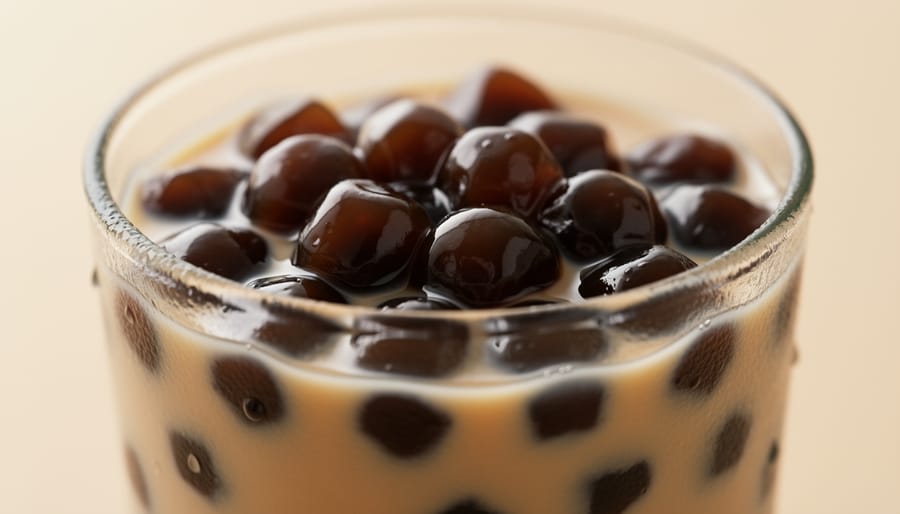
Whether you call it bubble tea or boba, you’re getting the same delightful combination of elements. Let’s break down what actually goes into your cup, because understanding the components helps you appreciate why this drink has become one of Vancouver’s memorable Vancouver eats.
At its heart, every bubble tea starts with a tea base. Most shops offer black tea for that robust, malty flavor, green tea for something lighter, oolong for a middle ground, and sometimes jasmine or special blends. The tea provides the foundation that everything else builds on.
Next comes the flavor and texture layer. You can go the milk route, classic whole milk creates that creamy richness, though Vancouver shops now offer oat milk, almond milk, and coconut milk alternatives. Or you choose fruit flavors, from mango and lychee to passion fruit and strawberry. Many shops make their fruit syrups fresh daily rather than using powder mixes, which you can taste immediately.
The basic components include:
- Tea bases: black, green, oolong, or specialty teas
- Milk options: whole milk, oat, almond, coconut, or non-dairy creamers
- Sweetness levels: typically adjustable from 0% to 100%
- Toppings: classic tapioca pearls, popping boba, grass jelly, pudding, or aloe vera
Vancouver shops have pushed the quality higher than you’ll find in most cities. They’re sourcing premium loose-leaf teas instead of bags, making tapioca pearls fresh multiple times daily (they get hard and chewy after a few hours), and experimenting with ingredients like brown sugar foam, salted cheese cream, and seasonal fruit chunks.
The signature element remains those tapioca pearls, chewy, slightly sweet spheres made from cassava starch. They should be soft enough to bite through easily but firm enough to give you that satisfying chew. Good shops cook them perfectly so they’re warm and fresh, not sitting in sugar water for hours.
You control the sweetness level at most places. Ask for 50% or 75% sweet rather than full sugar, you’ll still get plenty of flavor without the cloying sweetness that can overpower the tea. The ice level matters too, since more ice means less actual drink but also affects how quickly flavors dilute.
Vancouver’s Bubble Tea Scene in 2026
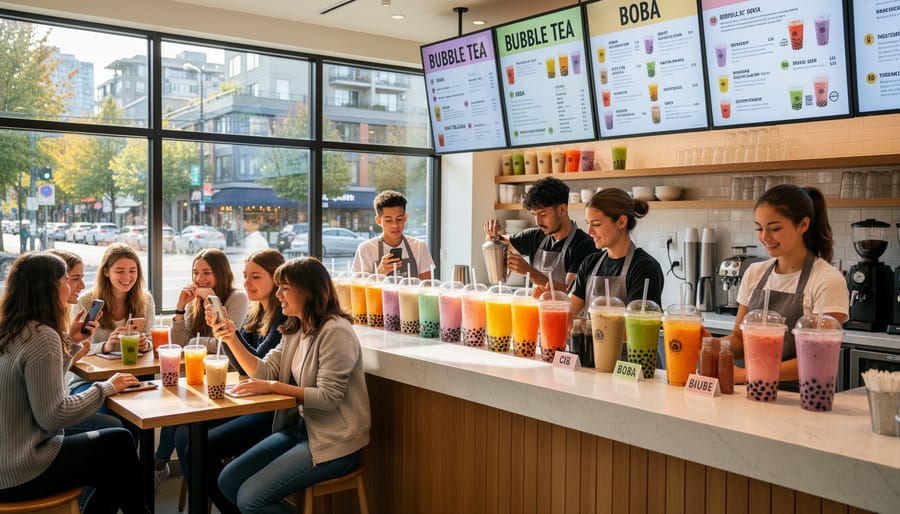
Vancouver’s bubble tea scene has exploded into something far beyond a trend, it’s become a defining part of the city’s culinary landscape. Richmond’s Aberdeen Centre and the surrounding blocks along Number 3 Road form what locals call “Bubble Tea Boulevard,” where shops line up like pearls on a string, each competing to offer the freshest milk foam, the chewiest pearls, and the most Instagram-worthy presentations. On weekends, lines snake out the doors as friends gather to debate brown sugar versus taro, hot versus iced.
Downtown Vancouver tells a different story. Sleek shops with minimalist interiors and carefully curated menus have transformed bubble tea into an artisanal experience, complete with organic teas, house-made syrups, and pearls cooked to order. These aren’t quick grab-and-go stops, they’re destinations where people linger, studying ingredient origins the way wine enthusiasts discuss terroir.
The social ritual around bubble tea runs deep here. Students claim corner tables for study sessions, coworkers decompress after shifts, first dates unfold over mango slushes and honey milk teas. The drink has become Vancouver’s social lubricant, much like how Japanese dining in Vancouver transformed from novelty to everyday staple. You’ll spot bubble tea cups on transit, in parks, at beaches, the oversize straw poking through the plastic lid has become as iconic to Vancouver street life as umbrellas and North Face jackets.
Seasonal creativity keeps the scene fresh. Fall brings pumpkin spice milk tea and sweet potato foam. Winter means warming ginger teas and red bean toppings. Spring launches strawberry seasons with fresh fruit muddled into bases, while summer goes wild with tropical mango, lychee, and passion fruit combinations.
What’s remarkable is how deeply bubble tea has woven itself into Vancouver’s food identity without displacing anything. It sits comfortably alongside the city’s renowned coffee culture, craft beer scene, and diverse restaurant landscape. Shops run by Taiwanese immigrants operate next to Canadian-born entrepreneurs experimenting with maple syrup pearls. The drink has become authentically Vancouver, multicultural, innovative, unpretentious, and always ready to try something new while honoring tradition.
Common Questions About Bubble Tea and Boba
Is “bubble tea” or “boba” the correct term?
Both are correct. “Bubble tea” refers to the frothy bubbles created by shaking the tea, while “boba” refers to the tapioca pearls themselves, though the terms are now used interchangeably to describe the entire drink.
How do you pronounce “boba”?
It’s pronounced “BOH-bah” with equal emphasis on both syllables. The word comes from Taiwanese slang for the large tapioca pearls.
What should I order if I’m trying bubble tea for the first time?
Start with a classic milk tea with regular sweetness and tapioca pearls. Once you know what you like, you can experiment with fruit teas, different toppings like popping boba or pudding, and varied sweetness levels.
Does the name on the shop’s sign indicate different quality or style?
Not at all. Whether a Vancouver shop calls itself a bubble tea cafe or boba bar doesn’t signal differences in quality, authenticity, or preparation methods, it’s purely branding choice.
The questions above surface repeatedly among newcomers to Vancouver’s bubble tea scene, especially those who assume the terminology carries hidden meaning about what they’ll receive. Just as you wouldn’t expect a different experience between restaurants labeled “Italian kitchen” versus “trattoria,” the bubble tea versus boba distinction is linguistic rather than culinary. Vancouver’s shops range from quick-service chains to boutique cafes experimenting with premium ingredients, but that quality spectrum exists regardless of which term appears on the storefront. Much like how fine dining in Vancouver varies by execution rather than name, bubble tea quality depends on ingredient freshness, preparation technique, and attention to detail, not whether the menu says bubble tea or boba.
Whether you call it bubble tea or boba doesn’t change what you’re holding: a delightful cup of tea with chewy tapioca pearls that’s become a Vancouver staple. The city’s relaxed attitude toward both names reflects something bigger, Vancouver’s ability to embrace different cultural perspectives without fussing over which one is “right.”
This linguistic flexibility mirrors the diversity you’ll find walking through Richmond’s tea shop clusters or downtown’s trendy bubble tea cafés. Some shops proudly declare “Boba” on their signs, others stick with “Bubble Tea,” and many use both interchangeably. The customers? They’re too busy enjoying their drinks to care about the terminology.
What matters isn’t the name on the menu but the quality in your cup. Vancouver’s bubble tea scene offers everything from traditional milk teas to innovative fruit blends, from classic tapioca pearls to creative toppings you won’t find elsewhere. The best way to experience it is simply to explore, order what sounds good, try different shops, and discover your favorites.
Next time you’re craving that perfect combination of tea and chewy pearls, use whichever term feels natural. Vancouver’s bubble tea community welcomes you either way.