Vancouver’s experiential dining scene offers everything from blind dining at Vancouver Dark Table to Japanese omakase in Kitsilano and Afghan feasts in Fairview, with standout venues like Seasons in the Park at Queen Elizabeth Park delivering memorable meals that blend atmosphere, culinary artistry, and local ingredients. These restaurants transform dinner into an event worth planning around, whether you’re celebrating a milestone or simply craving something beyond the ordinary.
The search for experience dining near you isn’t just about filling a table. You want a story to tell afterward, flavors that linger in memory, and an environment that makes the evening feel special from the moment you walk through the door. Vancouver delivers on all three counts, with venues that have earned recognition on OpenTable’s Diners’ Choice page as recently as September 2026 alongside hidden neighborhood gems that locals guard fiercely.
What sets these restaurants apart is their refusal to treat dining as transactional. At Vancouver Dark Table, located at 2611 W 4th Ave, you eat in complete darkness while guided by visually impaired servers, fundamentally changing how you experience taste and texture. The $36 experience has earned a perfect 5.0 rating from diners who describe it as transformative. Meanwhile, Yuwa Japanese Cuisine in Kitsilano channels the precision of traditional Japanese technique, and The Afghan Horsemen Restaurant in Fairview brings the warmth of Central Asian hospitality to every course.
These aren’t cookie-cutter establishments following trends. They’re rooted in tradition, driven by chefs who understand that memorable dining comes from respecting ingredients, honoring culinary heritage, and creating spaces where guests feel genuinely welcomed. Most require reservations through their websites or by phone, a small barrier that ensures each evening receives the attention it deserves. The effort is worth it.
Why Vancouver Is Perfect for Experience Dining
Vancouver’s geography and culture create a rare cocktail of conditions that make it an extraordinary stage for experiential dining. The city sits at the intersection of land and sea, surrounded by fertile farmland and the Pacific Ocean, which means chefs have immediate access to spot prawns, wild salmon, organic vegetables, and foraged ingredients that arrive at kitchen doors within hours of harvest. This proximity to exceptional raw materials isn’t just about freshness, it shapes how restaurants approach their menus, building entire experiences around what’s in season right now.
The city’s multicultural makeup pushes this even further. Vancouver hosts thriving communities from Italy, Japan, China, India, Afghanistan, and dozens of other cultures, each bringing authentic culinary traditions that haven’t been watered down. When you dine at an Afghan restaurant in Fairview or a Japanese spot in Kitsilano, you’re often eating food prepared by chefs who grew up with these flavors, who understand the rituals and stories behind each dish. This authenticity transforms meals into cultural journeys rather than simple transactions.
Vancouver’s chef community embraces innovation without pretension. There’s a West Coast casualness here that encourages experimentation, whether that’s serving a twelve-course tasting menu in a stripped-down room or creating an entirely dark dining environment where sight gives way to other senses. The city’s culinary scene values the experience itself over stuffy formality, making ambitious concepts feel approachable rather than intimidating.
This combination, world-class ingredients, genuine cultural diversity, creative ambition, and relaxed atmosphere, creates ideal conditions for restaurants that understand dining as theater, education, and connection all at once. Experience dining doesn’t just exist in Vancouver; it thrives here because the city’s food culture demands more than ordinary.
Top Experience Dining Destinations Near You
1. Vancouver Dark Table: Dining in Complete Darkness
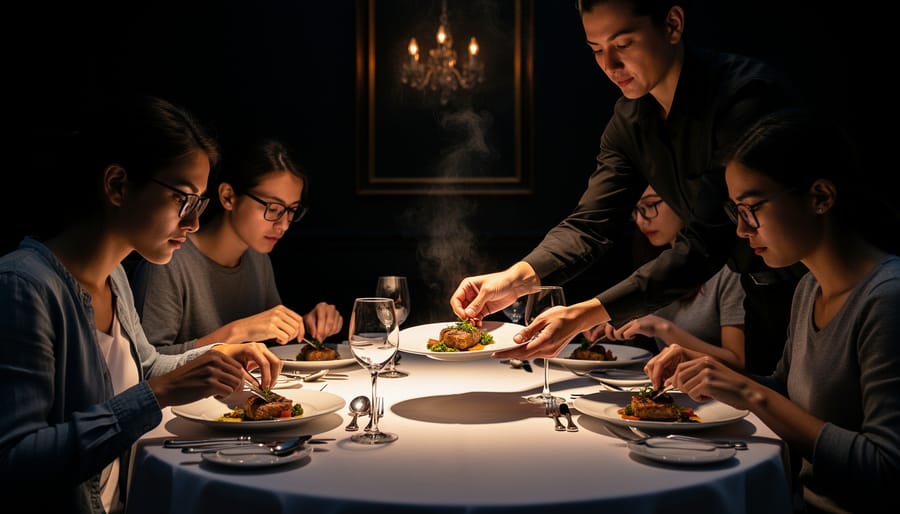
Vancouver Dark Table turns dining into a profound sensory adventure by removing sight entirely from the equation. Located in Kitsilano, this experience seats you in complete darkness, where your server, a visually impaired guide trained to navigate the space effortlessly, brings you a multi-course meal you can’t see, only taste, smell, and feel.
The concept forces a radical shift in how you perceive food. Without visual cues, flavors intensify. Textures you’d normally ignore become fascinating. You might struggle to identify ingredients you eat daily, your fork misses your mouth, and conversations with dining companions take on surprising intimacy when you can’t see facial expressions. Many diners report that removing sight heightens every other sense, making each bite a discovery rather than a predictable experience.
At $36 per person, this isn’t just dinner, it’s a journey that challenges assumptions about how we experience food. The restaurant holds a perfect 5.0 rating from three reviews, reflecting how powerfully this unusual format resonates. You’ll leave with a deeper appreciation for both your senses and the daily navigation skills of your server, making this one of Vancouver’s most transformative dining experiences.
2. The Italian Experience Vancouver: Authentic Gastronomic Hub
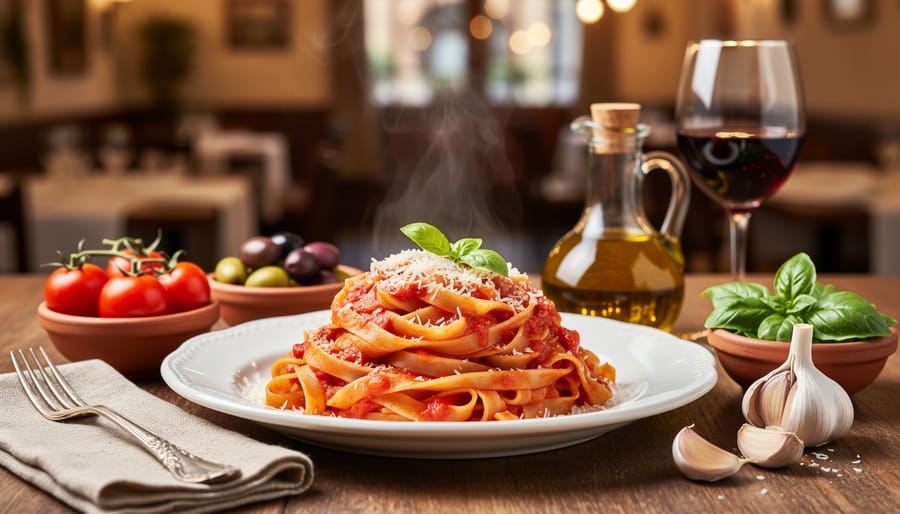
Tucked into Kitsilano at 2611 W 4th Ave, The Italian Experience Vancouver delivers what its name promises: dining that goes beyond a meal to become a full-fledged celebration of Italian culinary tradition. This is where Vancouver’s serious food lovers come when they want the kind of authentic, soulful cooking that Italian nonnas would eat no shortcuts, no fusion compromises, just honest Italian gastronomy executed with precision and heart.
What sets this restaurant apart is its commitment to the fundamentals that make Italian food so compelling: impeccable ingredients sourced locally whenever possible, traditional techniques passed down through generations, and preparations that let each component shine. The pasta is made fresh, the sauces simmer the proper amount of time, and seasonal produce arrives from nearby farms to meet imported Italian staples in dishes that respect both heritage and place.
The atmosphere pulses with the warmth and energy of a genuine Italian gathering spot, conversation flows freely, plates are shared, and meals unfold at a leisurely pace that encourages lingering. Whether you’re a local regular or a visitor seeking authentic Italian hospitality, this is dining as cultural immersion. Reservations are required, either through the restaurant’s website or by phone, which speaks to its popularity among those who know the difference between Italian-inspired and genuinely Italian.
3. Seasons in the Park: Elevated Dining with a View
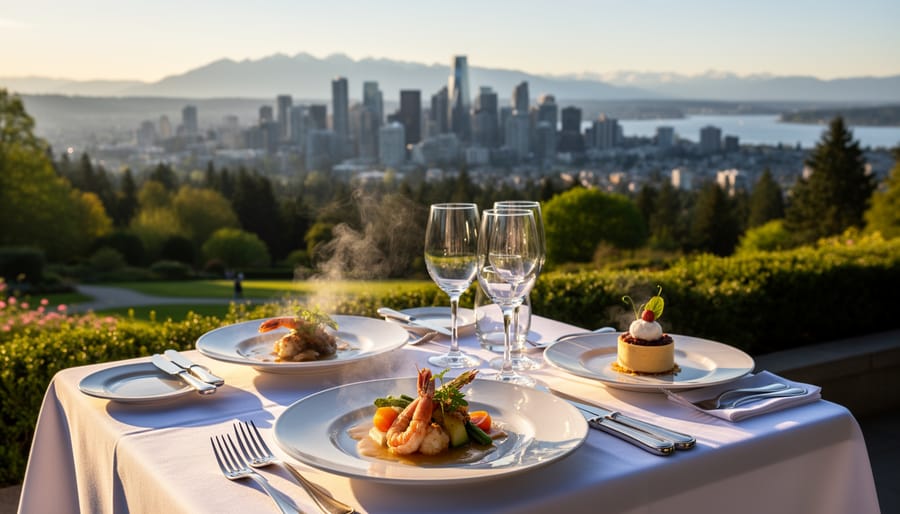
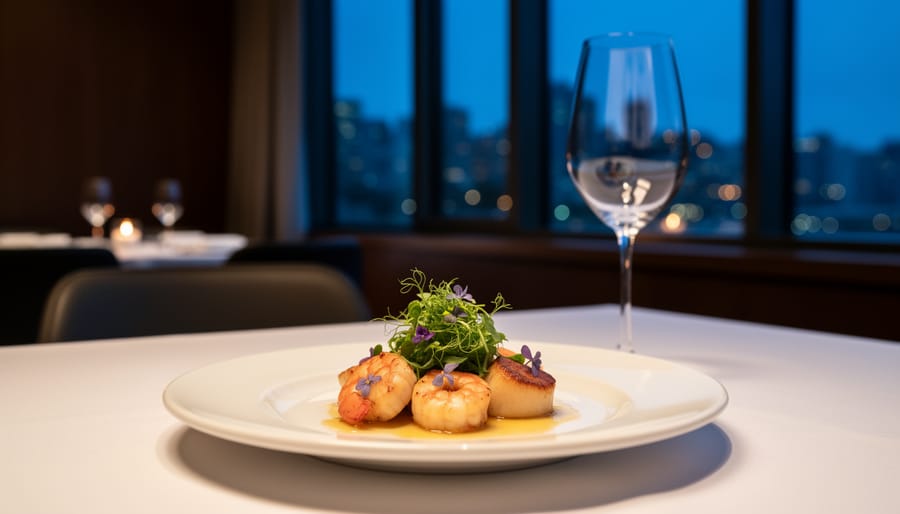
Perched high in Queen Elizabeth Park, Seasons in the Park transforms a meal into an occasion with floor-to-ceiling windows framing the North Shore mountains and city skyline. This is where anniversary dinners and milestone celebrations naturally gravitate, not just for the elevated Pacific Northwest cuisine, but for the way sunset light spills across white tablecloths while you’re savoring West Coast ingredients prepared with finesse.
The restaurant understands that experiential dining means orchestrating every element: the approach through manicured gardens, the panoramic views that shift from afternoon light to twilight glow, the seasonal menu that changes with what’s fresh. It’s the kind of place where you linger over multiple courses, watch the city lights emerge below, and leave with photos that capture both the food and the setting.
What sets Seasons apart in the Vancouver fine dining landscape is accessibility, it delivers a special-occasion experience without the formality or price point of white-glove establishments. You get thoughtful cooking, professional service, and one of the city’s most photogenic dining rooms, all in a space that feels celebratory rather than stuffy. Book a window table for dinner and you’ve got an experience that goes well beyond the plate.
4. Afghan Horsemen Restaurant: Cultural Journey in Fairview
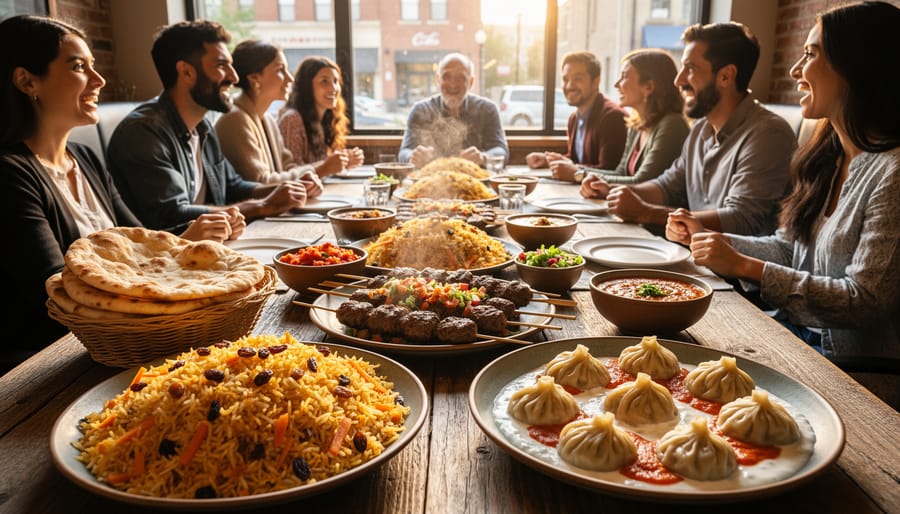
Stepping into Afghan Horsemen Restaurant feels like crossing a threshold into another world. This Fairview treasure transforms dinner into a cultural journey, where every dish carries centuries of tradition from the mountainous crossroads of Central Asia. The restaurant doesn’t just serve Afghan food, it recreates the spirit of Afghan hospitality, where guests are treated as honored visitors and meals unfold at a pace that encourages conversation and connection.
The menu reads like a map of Afghanistan’s culinary heritage. Fragrant rice dishes layered with tender lamb, slow-cooked kormas rich with cardamom and cinnamon, and freshly baked naan that arrives warm from the tandoor. Each plate tells a story of Silk Road spice routes and family recipes passed through generations. The flavors are bold yet balanced, revealing a cuisine shaped by Persian, Indian, and nomadic influences into something entirely distinct.
What elevates Afghan Horsemen beyond a typical ethnic restaurant is the attention to atmosphere and ritual. Meals here aren’t rushed. You’re encouraged to linger over shared platters, experiencing food the way it’s meant to be enjoyed in Afghan culture, communally, generously, with time for the layers of flavor to reveal themselves and for stories to be shared across the table.
5. Yuwa Japanese Cuisine: Kitsilano’s Japanese Treasure
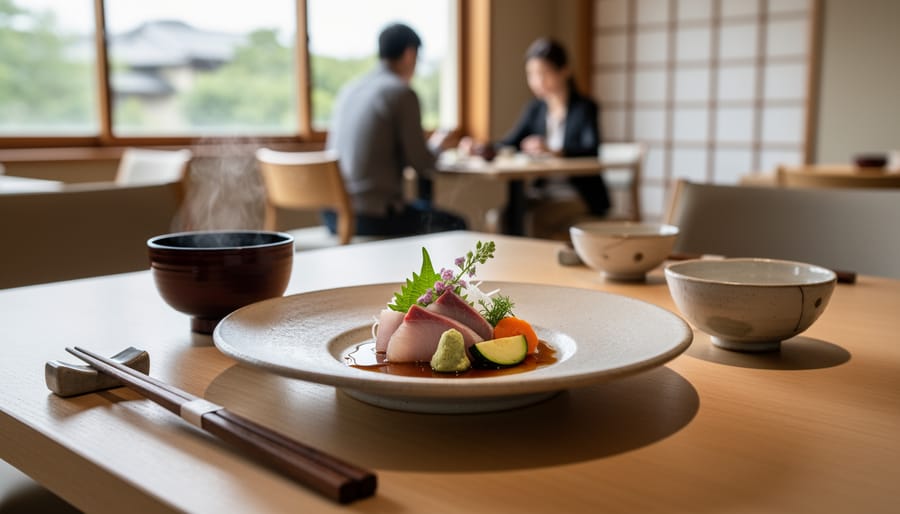
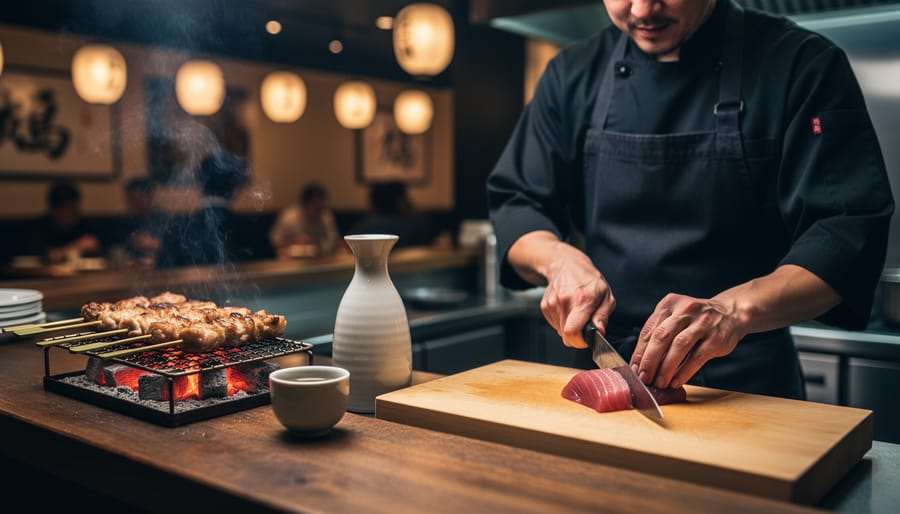
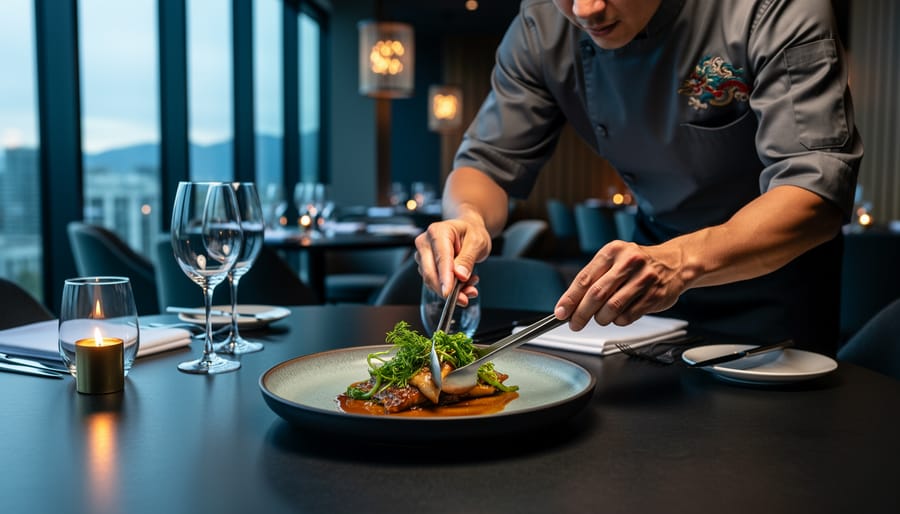
Tucked into the heart of Kitsilano, Yuwa Japanese Cuisine transforms dining into a ritual of precision and beauty. Every dish that emerges from the kitchen carries the weight of tradition, seasonal ingredients cut with deliberate care, arranged on handpicked ceramics, presented at the exact moment when temperature and texture align. This isn’t background dining. The experience demands your attention, slowing the pace of the meal until you notice the charred edge on grilled fish, the precise grain in sushi rice, the way miso soup arrives at a temperature that warms without burning.
The Japanese philosophy of *omotenashi*, anticipating guests’ needs before they’re spoken, shapes every interaction here. Servers guide you through the menu’s seasonal shifts, explaining why certain fish appear only in specific months, what region the sake comes from, how a particular preparation honors ingredients rather than masking them. For those curious about exploring other traditional Japanese venues across the city, a comprehensive Japanese dining guide covers the full landscape. At Yuwa, each course becomes meditative, a moment to taste, consider, and reset before the next arrives.
6. Omakase Experiences: Chef’s Choice Adventures
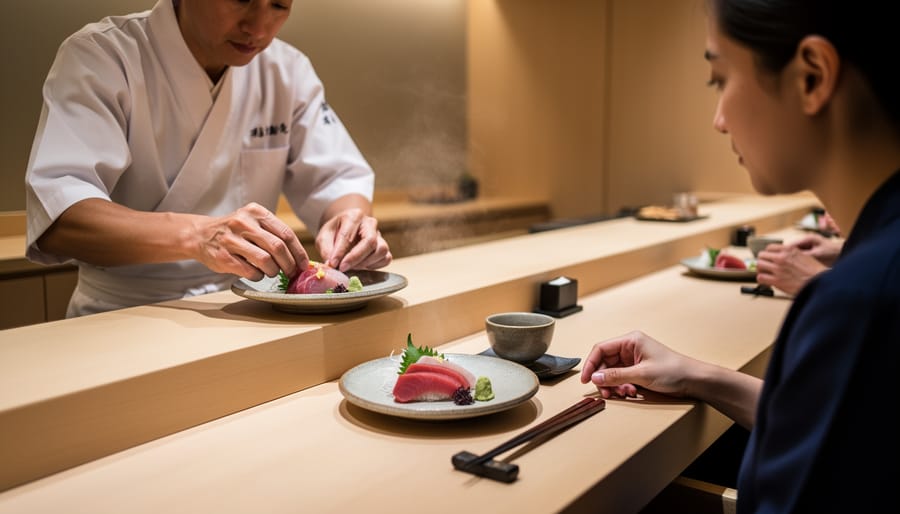
Omakase, literally “I’ll leave it up to you”, transforms dinner into a dialogue between chef and diner. You relinquish control of the menu, and in return, the chef crafts a personalized journey through seasonal ingredients, often sourced that morning. Each course arrives as a small revelation: wild sockeye instead of farmed, sea urchin from Haida Gwaii rather than Japan, matsutake mushrooms foraged hours earlier. The chef watches your reactions, adjusts the pacing, explains the story behind a particular cut of fish or the reason for pairing it with yuzu kosho instead of soy.
What makes omakase genuinely experiential is this element of surprise and conversation. You’re not ordering from a menu, you’re witnessing culinary decisions unfold in real time, often at a counter where you can see the knife work and plating. The seasonality matters intensely here; summer omakase tastes entirely different from winter’s, reflecting what’s actually available rather than what’s frozen year-round. For omakase practical tips and deeper guidance on Vancouver’s Japanese dining landscape, understanding these nuances enhances the experience considerably.
7. Farm-to-Table Dining Rooms: Hyper-Local Experiences
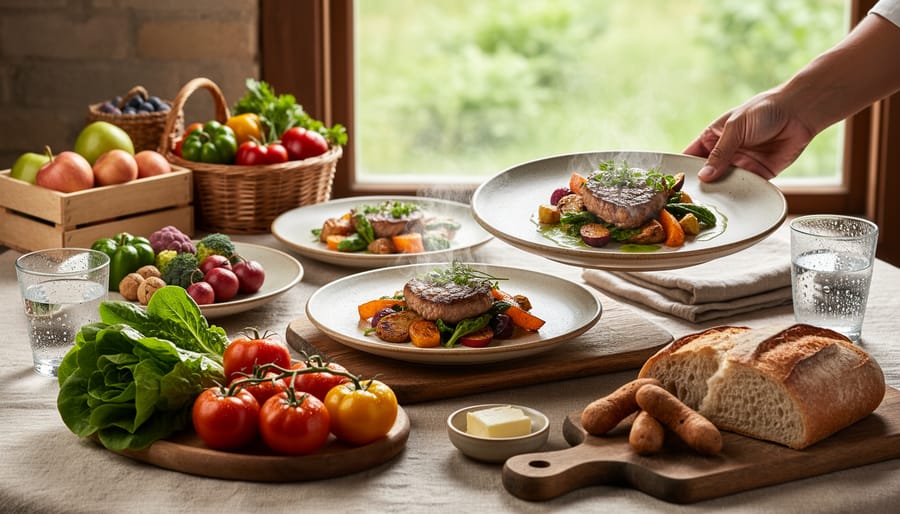
Vancouver’s farm-to-table dining rooms transform meals into origin stories. Here, chefs name the farms where your vegetables grew, explain why the halibut comes from Haida Gwaii instead of Chile, and redesign menus weekly as harvests change. You’re not just eating seasonal food, you’re participating in a supply chain short enough to meet every player.
These restaurants treat transparency as theater. Servers describe the organic practices at Saanich Peninsula farms, mention yesterday’s delivery from Fraser Valley dairies, or point to house-cured meats hanging in view. The experience centers on proximity: when ingredients travel hours instead of continents, their stories become part of your evening.
Expect menus that shift mid-week, not just seasonally. Spring might bring spot prawn tasting menus; August features heirloom tomatoes in five preparations. This constant evolution means repeat visits feel like new restaurants. The connection runs deeper than buzzwords, these kitchens genuinely build around what’s available within a few hours’ drive, making each dish a snapshot of Vancouver’s agricultural moment.
How We Chose These Experience Dining Spots
Curating this guide meant looking beyond typical restaurant reviews to identify venues where dining becomes something more, a story, a discovery, a moment you’ll remember long after the bill arrives. We didn’t simply search for “good food near me.” We looked for places that transform a meal into an experience, whether through sensory adventure, cultural immersion, theatrical presentation, or deep connection to ingredients and craft.
Our selection criteria focused on several key factors:
- Experiential uniqueness: Does the restaurant offer something you can’t replicate at home or find at conventional dining spots?
- Authenticity and quality: Are the cultural traditions, cooking techniques, and ingredient sourcing genuine rather than performative?
- Verified ratings and community recognition: We consulted resources like OpenTable’s Diners’ Choice page (updated September 05, 2026) and examined actual guest reviews to confirm these aren’t just marketing promises.
- Neighborhood diversity: The list spans different Vancouver areas so “near me” yields results whether you’re in Kitsilano, Fairview, or near Queen Elizabeth Park.
- Reservation accessibility: We prioritized places where you can actually book a table through standard channels rather than impossibly exclusive spots.
Each venue earned its place by excelling in its particular niche. A $36 blind dining experience that earns a perfect 5.0 rating delivers something fundamentally different from an Afghan restaurant transporting diners through cultural hospitality, yet both qualify as experiential dining by creating memorable moments that extend well beyond what’s on the plate. We balanced innovation with tradition, spectacle with substance, ensuring this guide reflects the full spectrum of what makes Vancouver’s dining scene special.
Practical Information for Planning Your Visit
Most experiential dining venues in Vancouver require advance reservations, often through their website or by phone. This isn’t just restaurant policy, it’s essential logistics. Unique concepts like dark dining experiences operate with limited seating and specialized setups that can’t accommodate walk-ins. When booking, mention any dietary restrictions or special occasions upfront, as many chefs design personalized experiences around this information.
| Restaurant/Experience Type | Neighborhood | Reservation Status | Price Range |
|---|---|---|---|
| Vancouver Dark Table | Downtown | Required | $36 |
| The Italian Experience Vancouver | Kitsilano (2611 W 4th Ave) | Required | $$-$$$ |
| Seasons in the Park | Queen Elizabeth Park | Recommended | $$$ |
| Afghan Horsemen Restaurant | Fairview | Recommended | $$ |
| Yuwa Japanese Cuisine | Kitsilano | Recommended | $$-$$$ |
Pricing varies significantly based on the experience. Vancouver Dark Table offers its blind dining journey at $36, while omakase experiences and tasting menus typically start around $80 and can reach $200+ depending on the venue and number of courses. Farm-to-table and cultural dining spots generally fall in the moderate range, though quality ingredients command fair prices.
Finding restaurants ‘near me’ works best through neighborhood exploration. Kitsilano clusters several options along West 4th Avenue and surrounding streets, while Fairview offers its own distinct finds. Queen Elizabeth Park provides a destination dining experience worth the short trip from downtown.
Timing matters. Tuesday through Thursday evenings typically offer better availability and allow staff more bandwidth for explaining dishes and engaging with guests. Friday and Saturday book weeks ahead at popular spots. For seasonal farm-to-table venues, visit during harvest months (late summer through fall) when ingredient variety peaks.
Dress codes lean casual-smart at most Vancouver experiential restaurants, though the intimate nature of these experiences suggests avoiding overly casual gym wear. Some unique concepts have specific requirements, dark dining means leaving bags and phones in lockers, while omakase counters expect punctuality since courses are timed for the entire seating.
Local Tips for the Best Experience
Book midweek whenever possible. Tuesday through Thursday evenings typically offer better availability at Vancouver’s most sought-after experiential restaurants, and you’ll often encounter a more relaxed atmosphere that lets you fully appreciate the setting. Weekend crowds can rush the pacing that makes these experiences special.
Approach first-time experiences with an open mind, especially concepts like dark dining or omakase where you surrender control. At Vancouver Dark Table, arrive without anxiety about navigating darkness, your server knows exactly how to guide you. For omakase, trust the chef’s progression and resist the urge to fill up early; each course builds toward something.
Ask your server about ingredient origins, particularly at farm-to-table venues. Most staff genuinely love sharing these stories, and knowing your halibut came from Haida Gwaii that morning or your tomatoes from a Pemberton farm transforms how you taste the dish.
For cultural dining experiences like Afghan Horsemen or The Italian Experience Vancouver, embrace traditional service pacing rather than rushing through courses. Italian dining follows a leisurely rhythm, antipasto, primi, secondi, that encourages conversation between bites. Afghan hospitality emphasizes abundance and sharing; order family-style and expect generous portions meant for passing around the table.
Timing matters for seasonal menus. Visit farm-to-table restaurants in early fall when Pacific Northwest harvests peak, or late spring when local ingredients explode with flavor. December through February often sees more limited local options, though skilled chefs make winter shine.
Discover new spots by following Vancouver food writers on social media and checking neighborhood restaurant weeks, when emerging venues showcase their talents at accessible price points.
Frequently Asked Questions
What makes a restaurant “experience dining” versus a regular restaurant?
Experience dining creates memorable moments beyond just serving food, whether through unique concepts like dining in complete darkness, cultural immersion, interactive chef experiences like omakase, or settings that transform a meal into an event. The focus shifts from simply eating to engaging your senses, learning stories behind dishes, or connecting with a culture through cuisine.
Do I need reservations for these restaurants?
Most experiential dining venues require advance reservations, either through their website or by phone. Spots like The Italian Experience Vancouver and unique concepts like Vancouver Dark Table need bookings ahead of time, so plan to secure your table at least a few days in advance, especially for weekend visits.
What should I budget for experience dining in Vancouver?
Expect a range depending on the venue and format. Unique concepts like Vancouver Dark Table start around $36 per person, while best fine dining picks featuring tasting menus or omakase can run higher. Farm-to-table spots and cultural dining rooms typically fall in the mid-range, with many offering exceptional value for the experience provided.
Can these restaurants accommodate dietary restrictions?
Vancouver’s experiential dining scene generally welcomes dietary needs, but communicate them when booking. Omakase and tasting menu formats work best when chefs know restrictions upfront, while venues featuring Italian, Afghan, or Japanese cuisine can often adapt dishes if given advance notice.
These dining destinations work beautifully for both special celebrations and elevated weeknight outings. While venues with stunning views or elaborate tasting formats naturally suit anniversaries and milestones, many experiential restaurants maintain a welcoming atmosphere that makes Tuesday night feel special without requiring a formal occasion. The key is choosing based on the experience you crave rather than the calendar.