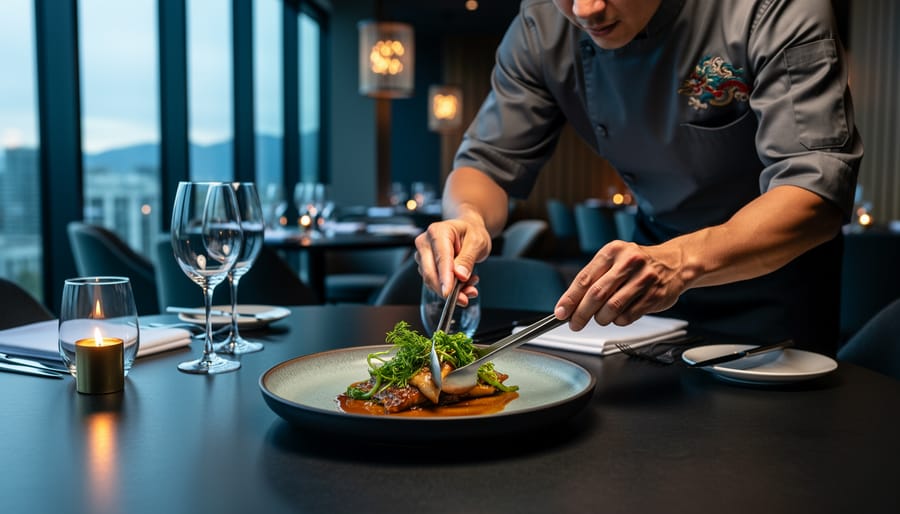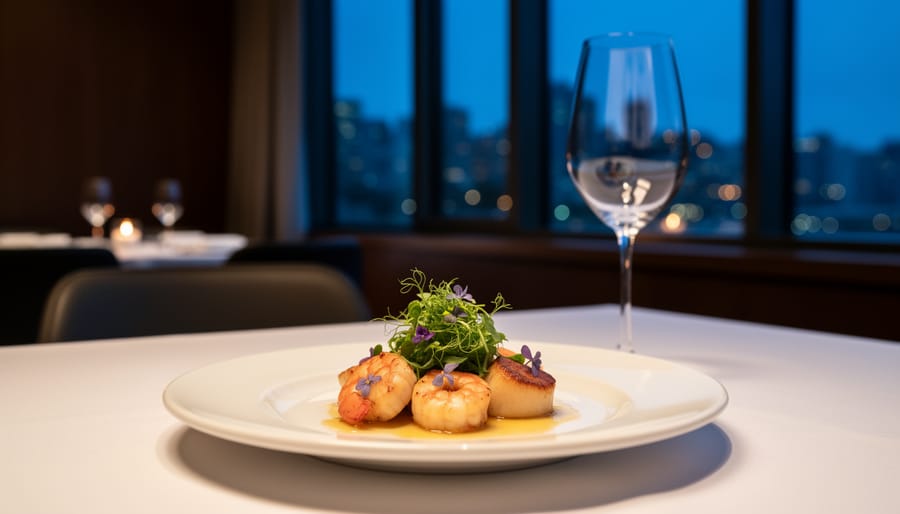
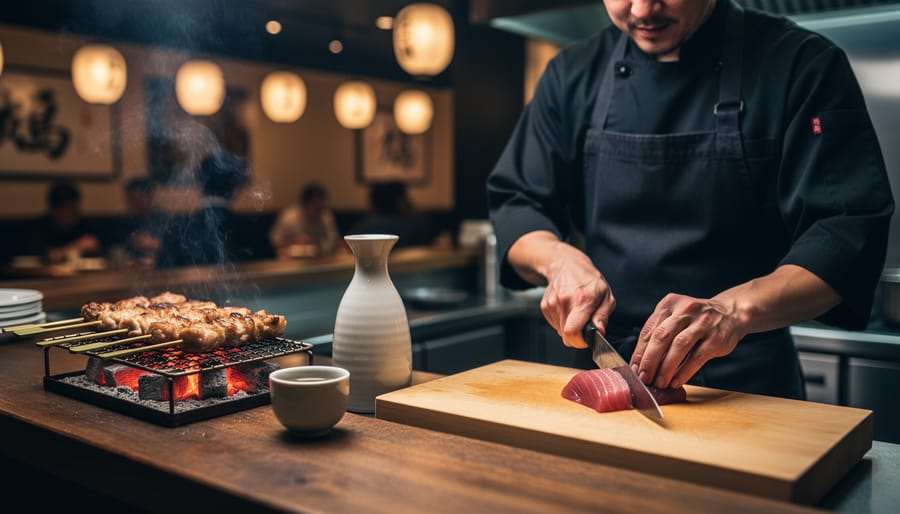
Vancouver’s Japanese dining scene delivers everything from intimate omakase counters where chefs compose personalized tasting menus to lively izakaya bars filled with grilled skewers and sake. You’ll find seven distinct styles of authentic Japanese dining across the city, each offering its own atmosphere and culinary traditions, whether you’re seeking the precision of kaiseki cuisine, the theatrical flair of teppanyaki, or the comforting warmth of a neighborhood ramen shop.
The city’s Japanese dining landscape has grown far beyond basic sushi rolls. Modern Vancouver diners can experience the quiet focus of a chef slicing pristine sashimi inches away, the sizzle of yakitori over charcoal, or the rich complexity of a tonkotsu broth that’s been simmering for hours. These aren’t just meals but doorways into centuries of culinary tradition, adapted thoughtfully for West Coast ingredients and tastes.
What sets Vancouver apart is the depth of authenticity available. Many establishments source directly from Japanese suppliers, employ chefs trained in traditional techniques, and maintain the hospitality customs that make Japanese dining so memorable. You’re not simply ordering food but participating in rituals shaped by respect, seasonality, and craftsmanship. This guide walks through each major dining style, helping you choose the right experience for your mood, budget, and occasion, while offering the practical details needed to book, order, and fully appreciate what makes Japanese cuisine one of the most refined approaches to fine dining in Vancouver.
Why Vancouver’s Japanese Dining Scene Stands Out
Vancouver’s Japanese dining scene earns its reputation through a rare combination of cultural authenticity and geographic advantage. The city’s substantial Japanese community, one of the largest in North America, with deep roots stretching back over a century, has established a dining culture that feels genuine rather than adapted. Many restaurant owners and chefs either trained in Japan or grew up in Japanese households, bringing techniques and sensibilities that can’t be learned from cookbooks alone.
Geography plays an equally crucial role. Vancouver sits on the Pacific Rim with direct access to pristine seafood that Japanese cuisine depends upon: wild salmon, spot prawns, halibut, tuna, and uni harvested from cold Canadian waters. This same ingredient-driven philosophy that makes Italian cuisine shine in regions with exceptional tomatoes and olive oil applies here. When a sushi chef can source fish caught that morning rather than flown halfway around the world, the difference shows in every bite.
The range of experiences available mirrors the diversity you’d find in Tokyo or Osaka. A neighborhood izakaya might serve grilled mackerel and cold sake to locals unwinding after work, while a downtown kaiseki restaurant crafts twelve-course seasonal menus that unfold like edible poetry. Ramen shops simmer broths for days. Omakase counters seat eight guests maximum, fostering the intimate chef-diner relationship that defines the format. This isn’t a single restaurant type or a trend, it’s a complete dining ecosystem shaped by cultural heritage and sustained by ingredients that taste like they belong.
Top Japanese Dining Experiences in Vancouver
1. Traditional Kaiseki: Multi-Course Artistry
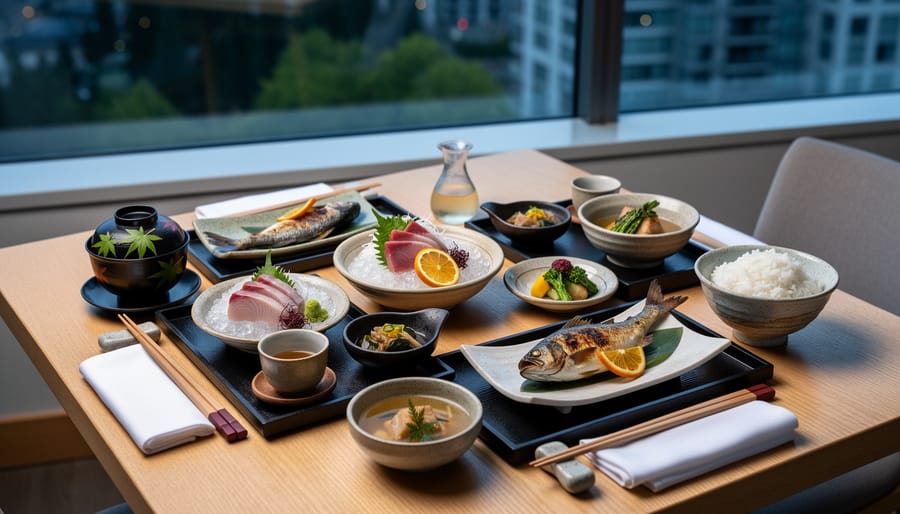
Kaiseki represents the pinnacle of Japanese culinary art, where each course unfolds like a chapter in a seasonal story. This formal multi-course meal, typically featuring seven to twelve dishes, transforms dinner into a meditative experience guided by the chef’s deep understanding of ingredients, aesthetics, and timing. Vancouver’s premium Japanese establishments bring this centuries-old tradition to life using Pacific seafood and local seasonal produce.
The meal progresses deliberately, beginning with delicate appetizers that awaken the palate, moving through sashimi showcasing pristine fish, then simmered dishes, grilled preparations, and finally rice or noodles to ground the experience. Each plate arrives as a small work of art, arranged on ceramics chosen specifically for the season and dish. Spring might bring cherry blossom motifs alongside tender bamboo shoots; autumn delivers maple leaf garnishes with matsutake mushrooms.
What sets kaiseki-style dining apart is the intentional pacing and the chef’s narrative. You’re not simply eating a sequence of courses but experiencing how ingredients speak to the current season, how textures and temperatures contrast, and how flavors build and recede. Expect the meal to last two to three hours, with moments of quiet between courses that invite reflection rather than rushing.
2. Izakaya Culture: Casual Sharing and Connection
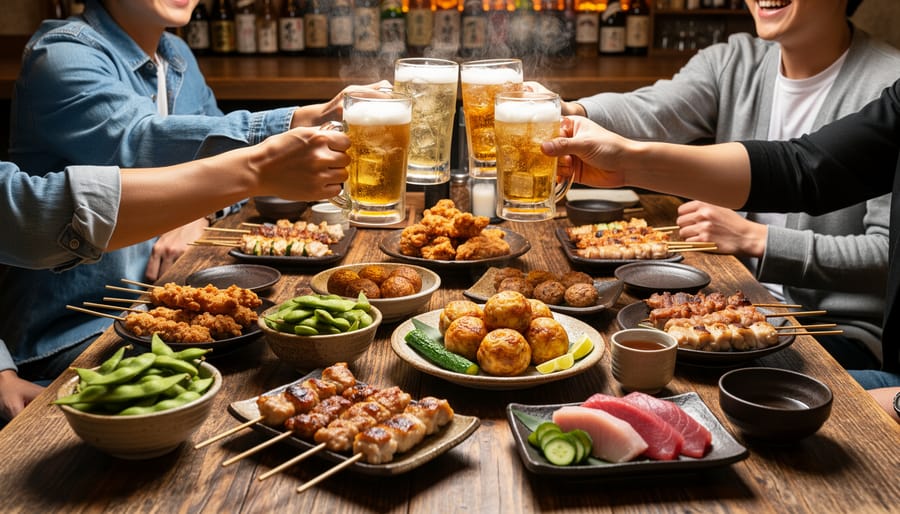
Izakayas bring the same welcoming spirit you’d find in Vancouver’s cherished casual neighborhood spots where locals gather over shared plates and good conversation. These Japanese gastropubs thrive on connection, serving small portions meant for passing around the table while sake flows freely.
The menu centers on variety rather than formality. Yakitori skewers arrive hot from the grill, chicken thigh glazed with tare sauce, negima combining tender meat with scallions, or crispy chicken skin that shatters at first bite. Takoyaki, those savory octopus-filled spheres topped with dancing bonito flakes, deliver comfort in every molten center. Seasonal specials reflect what’s fresh: grilled mackerel in autumn, chilled tofu with grated ginger in summer.
Sake plays a supporting role, not a starring one. Your server might suggest a dry junmai to cut through richer dishes or a fruity ginjo for lighter fare, but beer and highballs are equally welcome. The atmosphere leans lively rather than hushed, laughter spills between tables, and sharing food naturally sparks conversation.
Plan to order several small plates per person and pace yourselves. Dishes emerge from the kitchen as they’re ready, not in courses, which keeps the evening flowing without rush. The experience rewards groups who enjoy tasting widely and lingering over the simple pleasure of good food among friends.
3. Omakase Sushi Bars: Chef’s Choice Experiences
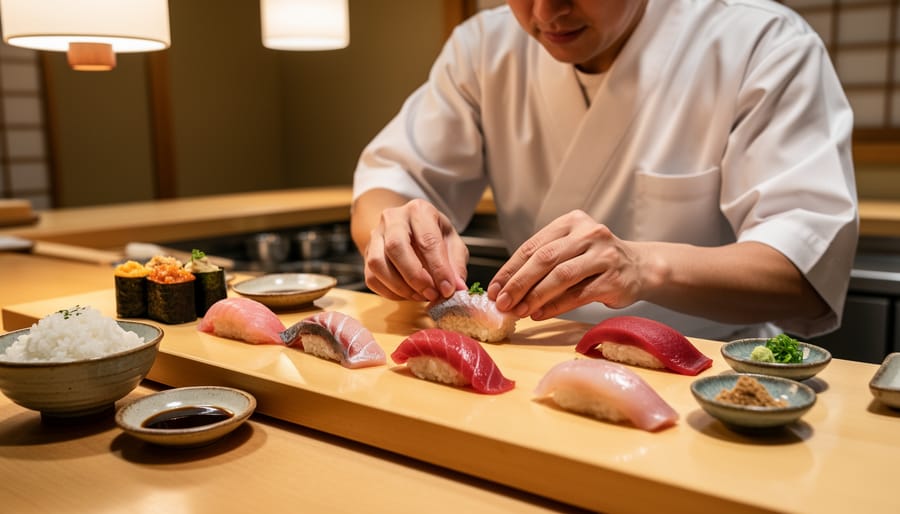
Omakase, meaning “I’ll leave it up to you,” transforms sushi from a meal into a personal dialogue between chef and diner. At Vancouver’s top omakase counters, you surrender menu choices and trust the chef to guide you through a progression of nigiri, sashimi, and seasonal preparations that showcase their skill and the day’s finest catches.
The intimacy sets omakase apart. You sit directly at the counter, watching the chef’s hands work with precision, often hearing explanations of each piece’s origin and preparation. The chef reads your reactions, adjusts the journey, and builds momentum from delicate white fish through richer tuna cuts to perhaps a hand roll finale. It’s culinary storytelling in 15 to 20 courses, each bite timed to your pace.
Vancouver’s location makes it exceptional omakase territory. Pacific Ocean access delivers live spot prawns, wild salmon, and sea urchin hours from harvest. Many chefs also fly in premium Japanese seafood, toro from Tsukiji successors, Hokkaido scallops, seasonal catches, but the local bounty gives Vancouver omakase its distinct character. You’ll taste the difference in the sweet snap of Dungeness crab or the buttery texture of local sablefish.
Expect to pay between 150 and 300 dollars per person for top omakase experiences. Reservations book weeks ahead. The investment buys not just exceptional fish but the chef’s years of training, their relationships with suppliers, and an evening of focused attention that feels like private theater.
4. Ramen Houses: Comfort in a Bowl
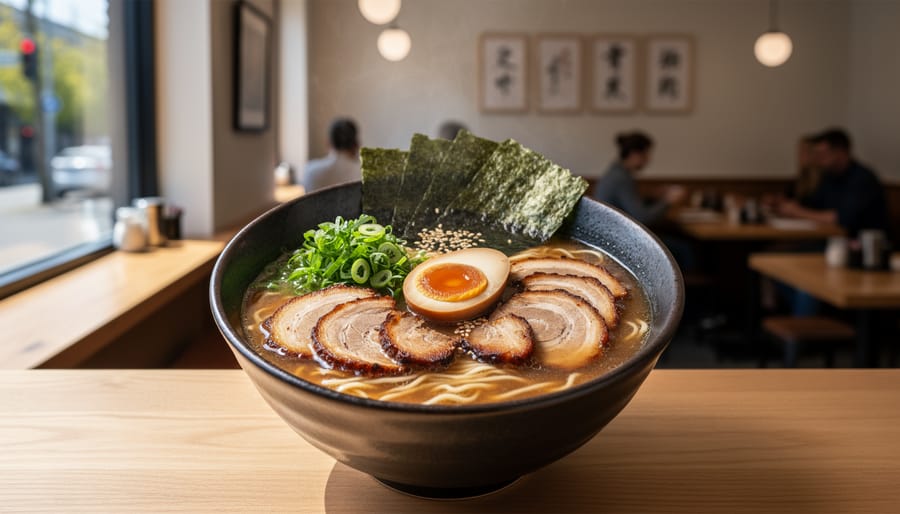
Vancouver’s ramen houses offer warmth and satisfaction that transcends seasons. Whether you’re seeking refuge from winter rain or craving a soul-warming meal after a long day, these bowls deliver complex flavors built on hours of patient craftsmanship.
The city’s ramen scene spans multiple regional styles. Tonkotsu ramen features creamy pork bone broth simmered for 12 to 18 hours until collagen breaks down into rich, milky goodness. Shoyu ramen brings soy-based clarity with layers of umami, while miso versions add fermented depth and earthy sweetness. Each bowl arrives topped with chashu pork, bamboo shoots, green onions, and a perfectly jammy egg.
What makes ramen special is the labor invisible to diners. Master ramen chefs tend massive stockpots, adjusting heat and skimming impurities to achieve the ideal balance between body and clarity. They craft their own noodles daily, controlling thickness and texture to match each broth style.
The experience is wonderfully approachable. No reservations needed, no dress codes to consider. You sit at the counter, slurp noodles without apology, and leave satisfied for $15 to $20. It’s comfort food that respects your time while delivering genuine craft in every spoonful.
5. Robata Grills: Fire-Kissed Flavors
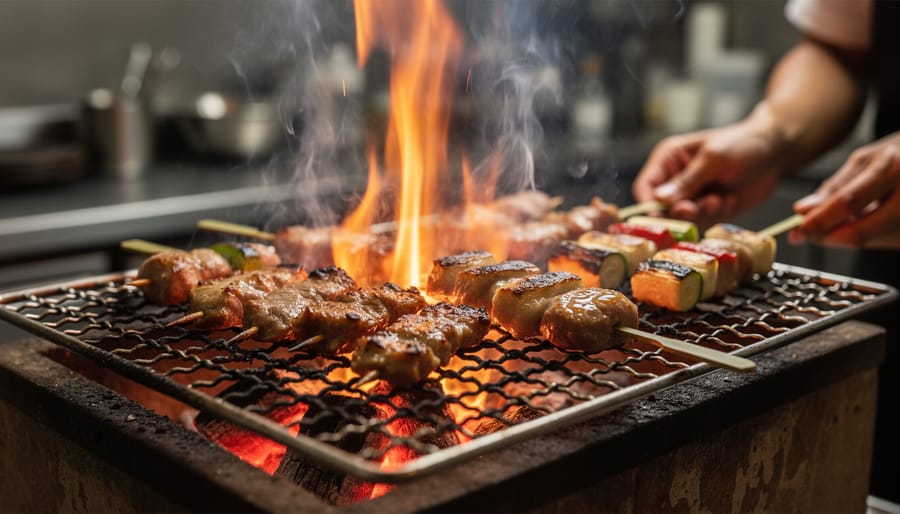
The robata grill transforms dining into theater. Sitting at the counter, you’ll watch chefs work long wooden paddles over glowing binchotan charcoal, the ancient white oak coals burning at intense, even heat. This isn’t standard barbecue. The high-temperature searing locks in moisture while adding a delicate smokiness that enhances rather than overwhelms.
Skewered offerings range widely. Tender chicken thigh (momo), beef tongue (gyutan), and pork belly arrive perfectly charred outside yet succulent within. Vegetables shine equally: shiitake mushrooms develop concentrated umami, while Japanese eggplant and asparagus caramelize beautifully. Seafood like squid, scallops, and whole fish benefit from the quick, intense heat that keeps them tender.
The technique shares DNA with Italian wood-fired cooking. Both traditions understand that clean, consistent heat from quality fuel brings out ingredients’ inherent character rather than masking it. You’ll taste the difference in simplicity. Most items arrive with just sea salt or a light tare glaze, letting the fire’s work speak.
The communal seating and casual atmosphere make robata houses ideal for groups wanting variety. Order several skewers to share, perhaps with cold beer or sake. The pacing feels relaxed yet engaging as your selections emerge hot from the coals throughout the meal.
6. Modern Japanese Fusion: Creative Innovation
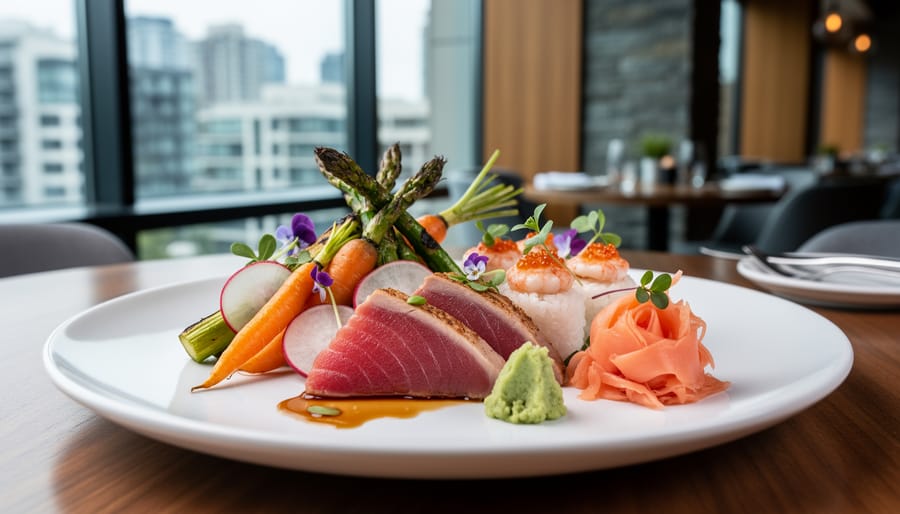
Vancouver’s modern Japanese fusion scene demonstrates how culinary innovation can honour tradition while embracing local terroir. These creative establishments draw from Japanese techniques, precision knife work, minimal seasoning, respect for ingredient integrity, and apply them to West Coast bounty: spot prawns, Qualicum Bay scallops, Fraser Valley duck, and foraged coastal mushrooms.
At their best, these restaurants aren’t simply mixing cuisines for novelty. They’re creating dialogue between two food cultures that share core values: seasonal awareness, ingredient quality, and restrained enhancement rather than heavy masking. You might encounter miso-glazed sablefish with wild nettle purée, or hamachi crudo finished with local sea asparagus and yuzu oil.
The chefs behind these menus often trained in traditional Japanese kitchens before settling in Vancouver, where abundant seafood and produce inspired new expressions. They understand that fusion requires fluency in both languages, knowing when a splash of sake complements Dungeness crab, or how shiso brightens wild salmon without overwhelming its character.
These experiences suit diners who appreciate both Japanese refinement and Pacific Northwest ingredients, offering familiar comfort alongside gentle surprise. The plating maintains Japanese aesthetic principles, negative space, natural colours, asymmetrical balance, while the flavours tell distinctly Vancouver stories.
7. Tea Houses and Wagashi Cafés: Sweet Traditions
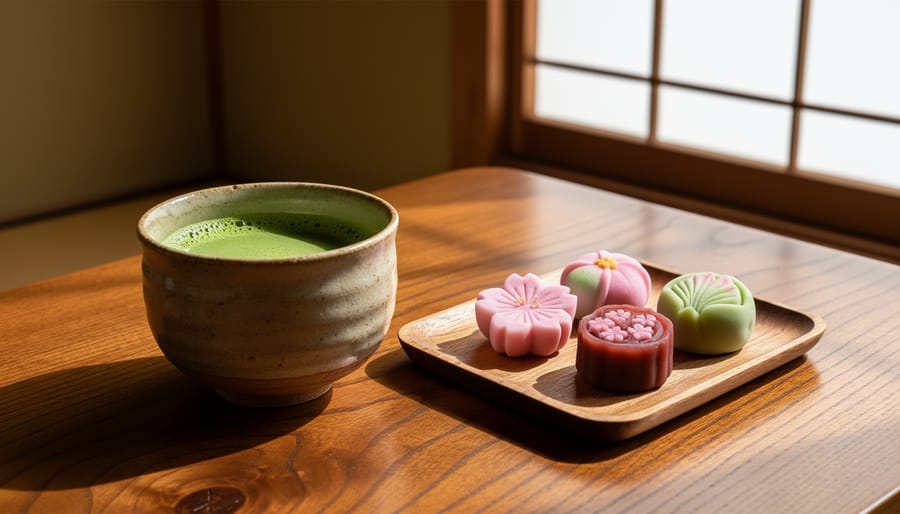
The gentle ritual of Japanese tea culture offers a meditative counterpoint to Vancouver’s bustling dining scene. Tea houses and wagashi cafés create contemplative spaces where time slows, the pace of conversation softens, and traditional sweets become small works of edible art.
Unlike casual coffee shops, authentic tea houses present matcha ceremonies with deliberate precision. You’ll watch whisks transform vibrant green powder into frothy tea while seated on tatami mats or at low tables. The ceremony itself, the measured movements, the careful presentation, becomes part of the experience, not just preamble to drinking.
Wagashi, the traditional sweets served alongside, change with the seasons. Spring brings sakura-shaped confections filled with sweet red bean paste. Summer offers translucent jellies suggesting cool water. These aren’t cakes or pastries in the Western sense; they’re delicate compositions of mochi, bean paste, and subtle sweetness designed to complement tea’s slight bitterness.
Many cafés also serve hojicha or genmaicha for those new to tea culture, offering gentler entry points than ceremonial matcha. The best spots display wagashi in glass cases like jewelry, each piece a miniature seasonal landscape. This quiet tradition rewards patience and presence, qualities that deepen appreciation for any cuisine.
Practical Information for Your Japanese Dining Adventure
Planning your Japanese dining adventure becomes easier when you know what to expect. Here’s what you need to navigate Vancouver’s diverse Japanese restaurant landscape.
| Dining Type | Price Range (Per Person) | Reservation | Best Timing |
|---|---|---|---|
| Kaiseki | $150-$300+ | Essential, 1-2 weeks ahead | Dinner, seasonal peaks |
| Omakase Sushi | $80-$200 | Highly recommended | Dinner seating times |
| Izakaya | $30-$60 | Helpful for groups | Evening, after 6pm |
| Ramen Houses | $15-$25 | Walk-in friendly | Lunch or late evening |
| Robata Grills | $40-$80 | Recommended weekends | Dinner service |
| Tea Houses | $20-$40 | Sometimes required | Afternoon |
Dress codes trend casual at ramen shops and most izakayas, while kaiseki and upscale omakase venues appreciate smart casual attire. You’ll feel comfortable in the same outfit you’d wear to a quality Italian trattoria. Credit cards work everywhere, though smaller establishments might prefer cash. Most high-end restaurants require reservations through their websites or by phone, sometimes weeks in advance for weekend spots. Call directly if you have dietary restrictions, as kitchens can often accommodate vegetarians and those avoiding specific ingredients with advance notice. Lunch offers excellent value at many restaurants, with set menus running 30-40% less than dinner prices while maintaining the same quality and craftsmanship.
Local Tips for Authentic Japanese Dining
Navigating Japanese restaurants confidently starts with understanding a few cultural touchpoints that transform a good meal into a genuinely respectful experience. Many authentic establishments in Vancouver are run by Japanese chefs and staff who appreciate diners who approach their cuisine with curiosity and openness, much like when you seek out where to eat locally for Italian fare.
- Remove your shoes if the restaurant has tatami seating areas or provides slippers at the entrance
- Say “itadakimasu” before eating and “gochisousama deshita” after finishing as expressions of gratitude
- Lift small bowls of rice or soup to your mouth rather than hunching over the table
- Never stick chopsticks upright in rice, as this resembles funeral rituals
- Pour sake or tea for others before filling your own cup, a gesture of communal care
- When menus are entirely in Japanese, point to what neighboring diners are enjoying or ask the server for recommendations based on seasonal ingredients
- Trust the chef’s timing at omakase counters and avoid adding soy sauce to perfectly seasoned sushi
Seasonal awareness matters deeply in Japanese cuisine. Spring brings sakura ebi and bamboo shoots, summer offers cool soba and fresh uni, autumn highlights matsutake mushrooms and sanma, while winter showcases rich oysters and warming nabemono hot pots. Asking what’s in season demonstrates respect for the culinary calendar that guides authentic kitchens.
Spotting genuine quality means looking beyond decor. Watch for Japanese-speaking staff, customers, and chefs; handwritten specials boards in Japanese; and ingredients like proper Japanese rice varieties, imported soy sauce brands, and fresh wasabi grated tableside. Authentic establishments prioritize ingredient integrity over fusion gimmicks, honoring techniques passed down through generations while embracing Vancouver’s exceptional local seafood.
Common Questions About Japanese Dining in Vancouver
Most first-time visitors share similar questions about navigating Vancouver’s Japanese dining scene. Understanding these basics helps you approach each experience with confidence.
Do I need to speak Japanese to dine at authentic restaurants?
Not at all. Most Japanese restaurants in Vancouver have English menus or staff who can translate, and many chefs appreciate when diners ask questions about dishes. Pointing and asking for recommendations works beautifully.
How does tipping work at Japanese restaurants?
Follow standard Vancouver tipping practices of 15-20% for table service. Some higher-end kaiseki or omakase experiences include service in the price, so check your bill or ask discreetly.
Can Japanese restaurants accommodate vegetarian or gluten-free diets?
Many can, though options vary by restaurant type. Call ahead for kaiseki or omakase experiences, as these are carefully planned. Ramen houses and izakayas typically offer more flexibility with vegetable-focused dishes.
Is it rude to use chopsticks incorrectly?
Staff and fellow diners are generally understanding with visitors still learning. Avoid sticking chopsticks upright in rice or passing food chopstick-to-chopstick, as these gestures carry funeral associations, but honest attempts at proper use are always respected.
The warmth you find in Japanese dining spaces mirrors what draws people to Italian restaurants: genuine hospitality transcends perfect etiquette. Ask questions, show appreciation for the food, and approach each experience with curiosity rather than anxiety about making mistakes.
Vancouver’s dining scene thrives because passionate communities bring their culinary traditions to life with fresh local ingredients and genuine craftsmanship. The city’s Japanese restaurants embody these same values that make Italian cuisine so compelling: respect for seasonal produce, dedication to time-honored techniques, and the belief that food creates meaningful connections.
Whether you’re savoring the delicate progression of a kaiseki meal, sharing izakaya plates with friends, or warming yourself with a perfectly crafted bowl of ramen, you’re experiencing the care and artistry that define great food cultures. These aren’t just meals. They’re invitations into traditions shaped by generations of knowledge, adapted thoughtfully to Vancouver’s unique setting.
The fresh Pacific seafood, the skilled chefs who’ve trained for years to master their craft, the warm hospitality that welcomes newcomers, these elements mirror what draws you to exceptional Italian dining. Both cuisines understand that the best experiences happen when quality ingredients meet skilled hands and open hearts.
Explore Vancouver’s Japanese dining landscape with curiosity and appreciation. You’ll discover not just new flavors, but new ways to celebrate the universal language of good food shared among friends.